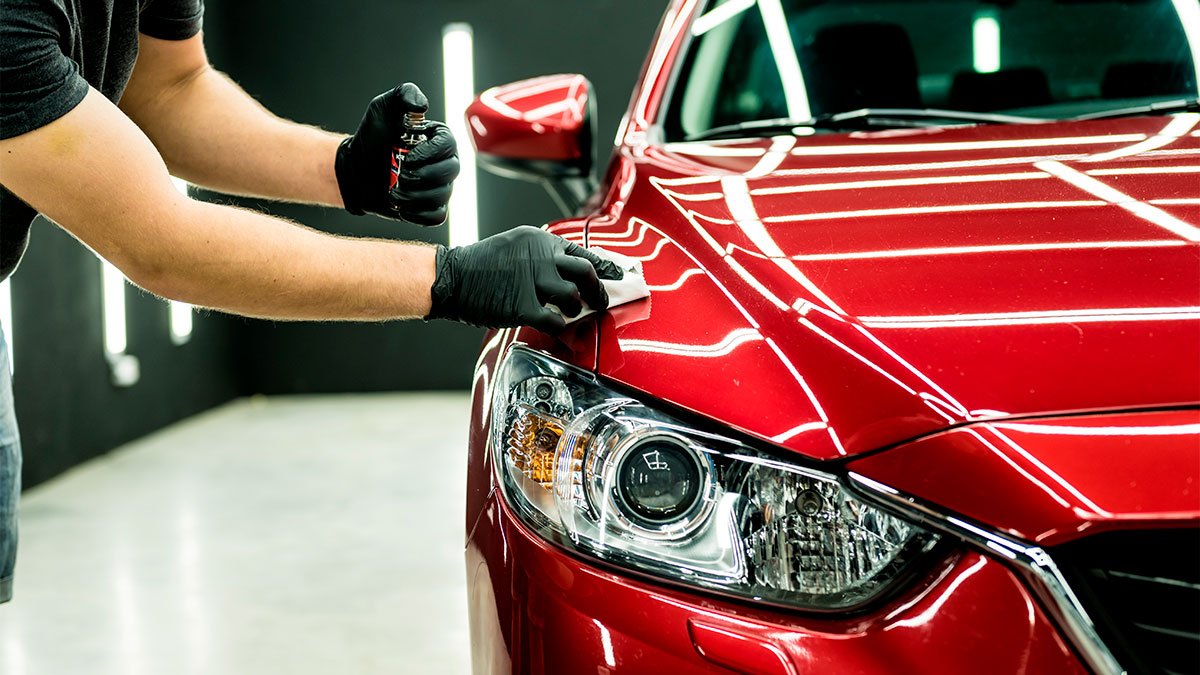
When your car gets dented, do you think the only fix is expensive paint work and long waits? Many car owners face this problem without knowing they have better options. These options can save time and money.
Modern vehicle dent repair has two main ways. Traditional shops use old methods like sanding, filling, and painting. On the other hand, skilled technicians can fix dents without touching the paint.
This new method started in 1960 with Mercedes-Benz technician Oskar Flaig. He used tools like hammer handles to fix dents without damaging the paint. It became popular in America in the 1980s.
This detailed auto body repair comparison looks at costs, time, and quality. Knowing these differences helps car owners choose the best option. This depends on the damage, budget, and how soon they need it fixed.
Understanding Paintless Dent Repair and Traditional Body Shop Methods
Modern car repair has two main ways to fix dents and damage. Each method is best for different kinds of damage. Knowing which one is right for your car is important.
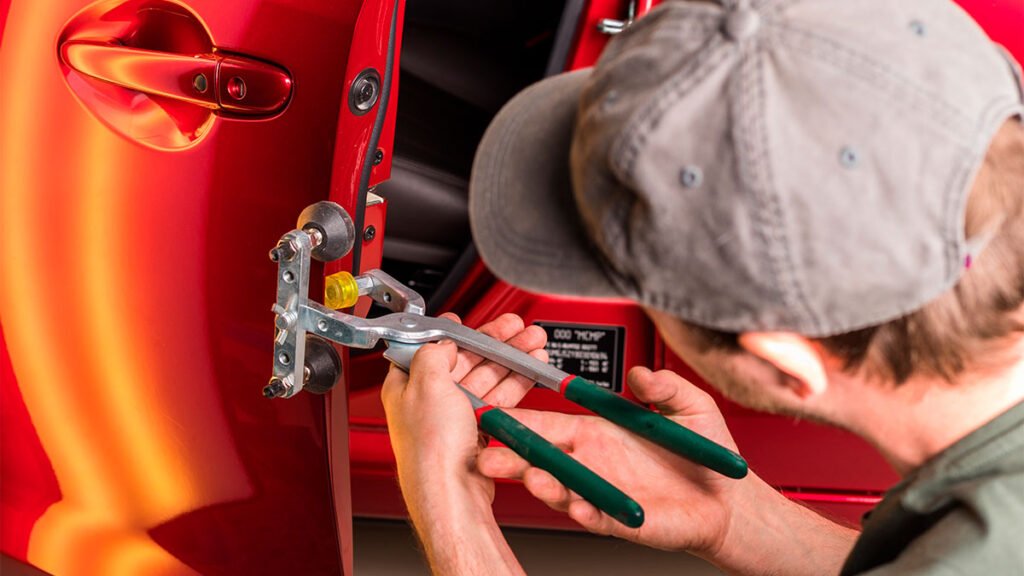
The paintless dent repair process is a new way to fix dents without harming your car’s paint. Experts use special tools to push the dent out from the back. This way, your car’s paint stays the same.
When it’s hard to get to the dent, PDR uses a special glue. This glue pulls the metal back into shape. Your car’s paint stays safe and looks new.
Traditional auto body repair is a more detailed fix. First, they check how bad the damage is. Then, they fix or replace parts that can’t be fixed in place.
When the damage messes with your car’s structure, they realign the frame. This keeps your car safe and drives well. They use special tools for this.
Next, they use body filler to fix dents. They sand it down to make it smooth. This gets your car ready for paint.
Finally, they repaint your car. They use special paint to match your car’s color. This makes your car look new again.
These dent repair techniques are for different kinds of damage. PDR is great for small dents, while traditional fixes are for bigger problems. Knowing the difference helps you choose the right fix for your car.
How long it takes to fix your car varies. Paintless dent repair is quick, taking just hours. Traditional fixes can take days or weeks, depending on the damage and parts needed.
PDR vs Body Shop: Comprehensive Cost Analysis
Dent repair costs can vary a lot, depending on the method used. Knowing these differences helps you make better financial choices. It also keeps your car looking good and its value high.
Small dent repairs through paintless dent repair cost between $120 and $180 per dent. These are common damages like small dings and door dings. Traditional body shop methods for the same damage start at $300 and can go up to $500 because they are more labor-intensive.
Medium-sized dents have bigger cost differences. Paintless dent repair cost for medium damage is between $350 and $400. Body shops charge $600 to $1,200 for similar repairs because they involve sanding, filling, priming, and repainting.
Large dent repairs have the biggest price gaps. PDR pricing for big damage is from $600 to $1,000. Traditional methods cost between $1,500 and $3,000 for similar repairs. Severe damage requiring panel replacement can cost up to $7,500 at body shops.
The paintless dent repair cost range is $50 to $500 for most repairs. This covers small dings to big hail damage. Traditional body shop repairs start at $300 for minor work and go up quickly based on the damage’s complexity.
PDR’s cost advantage comes from several factors. It doesn’t use expensive materials like primers, paints, and body fillers. It also takes less labor time because technicians work directly on the metal without dismantling panels or waiting for paint to cure.
Another benefit is same-day completion. Most PDR repairs are done in hours, saving on rental car costs. Traditional repairs take days or weeks, adding to transportation costs.
But, these savings apply only when damage is PDR-eligible. The paint must stay intact, the dent location must be accessible, and the damage size and depth must be within repairable limits. Choosing the wrong method can lead to poor results and extra costs.
Insurance coverage also impacts your costs. Many insurers prefer PDR for eligible damage because it’s cheaper. This can affect your deductible and future premiums, making cost analysis crucial for long-term financial planning.
Critical Factors That Determine Dent Repair Costs
The cost of fixing dents depends on several things that techs check first. Repair cost factors include where the dent is, how big it is, what kind it is, and how easy it is to get to. Knowing these helps car owners guess how much it will cost and what fix is best.
The size of the dent is a big deal for prices. Smaller dings cost less than big dents. The kind of dent also matters a lot. Simple dents are easier and cheaper to fix than complex ones.
Easy-Access Panel Repairs
Vehicle panel accessibility affects how long it takes and how hard it is to fix. Places like the hood center, door panels, and roof areas are easy to get to. This makes fixing them faster and cheaper.
Fixing dents in easy spots costs 30-50% less than hard spots. Techs can use simple tools without taking apart much. This saves time and money.
Most easy spots to fix dents cost between $75 and $300. This is because they can usually be fixed without painting. Quick fixes are great for people who are always on the go.
Complex Body Line Work
Fixing dents in body lines, character lines, and panel edges is hard. These areas need special skills and take longer to fix. Repair cost factors go up because of this.
Fixing complex areas costs more because it’s harder. Techs have to be very careful around the car’s design. Mistakes here are easy to see and take more time to fix.
Big damage like creases or stretched metal can cost up to $2,000. Sharp creases might need old-school bodywork because PDR can’t fix them. The final dent repair cost depends on if the paint can stay the same or if it needs to be redone.
Vehicle Material Considerations: Steel vs Aluminum
The metal type in your car’s body panels affects dent repair options and prices. Vehicle material differences pose unique challenges for repair methods and costs. Knowing these differences helps you choose the right repair approach.
Steel panels are common in cars and work well with paintless dent repair. Steel panel repair benefits from its malleability and memory.
Steel can return to its original shape with controlled pressure. This makes it perfect for PDR. Technicians can work on steel without causing more damage.
Aluminum panels are harder to repair. Modern cars use aluminum for less weight and better fuel efficiency. But, aluminum dent repair needs special skills and costs more than steel repairs.
Aluminum’s structure makes repairs tricky. It can crack under too much pressure. Excessive pressure can cause aluminum to crack instead of bending back.
Technicians need special skills for aluminum repairs. This increases labor costs. The complexity affects both PDR and traditional body shop prices.
Both materials can be fixed with paintless dent repair under the right conditions. But, aluminum repairs need more time and skill. Material consideration becomes essential when figuring out repair costs and choosing the best method for your car.
Time Efficiency and Convenience Comparison
Speed and convenience make paintless dent repair stand out. It’s faster and more convenient than traditional methods. This affects your daily life more than just the cost.
PDR fixes most damage quickly. Small dings take 15 minutes. Standard door dings need 1-2 hours.
Even big hail damage is fixed in 2-3 days. PDR’s quick process skips many steps.
Traditional body shop repairs take longer. Basic fixes need 2-5 days. They involve many steps like prep, primer, paint, and finish.
Big repairs can take weeks. Ordering parts and matching colors adds to the wait.
Same day dent repair saves time and hassle. You avoid rental car costs and scheduling headaches. Your car is back in service fast, without interrupting your life.
This speed makes PDR great for small damage. The paintless dent repair cost is better when you consider saved rental fees and time.
For people with busy lives, getting your car back in a day is priceless. It’s more than just fixing the dent.
Quality Outcomes: Paint Preservation vs Repainting
Original paint preservation makes a big difference between paintless and traditional dent repair. The factory finish is a result of years of advanced manufacturing. This can’t be matched in after-market repairs.
PDR keeps your car’s original coating system intact. This method preserves the paint’s thickness, protective qualities, and chemical makeup. Factory finish maintenance through PDR helps keep your car’s value high.
Traditional body shop repairs mean breaking the original finish. The damaged area needs sanding, priming, and repainting with aftermarket materials. Even with the latest color-matching tech, getting a perfect match is hard.
Paint matching issues can lead to noticeable differences in texture and shine. These differences are more apparent under different lights. The human eye can spot even slight color changes between original and repainted panels.
After traditional repairs, manufacturer paint warranties often expire. Factory paint jobs use special ovens and controlled environments that body shops can’t replicate. This affects the paint’s long-term durability and protection.
However, traditional methods are better for severe damage. This includes deep scratches or areas already damaged. Factory finish maintenance is not possible when the original coating is damaged.
Luxury and collector cars benefit most from original paint preservation. These vehicles lose a lot of value when repainted, even if the repair is good. PDR keeps the authenticity that serious buyers want.
The choice between methods depends on the damage and the car’s value. Minor dents are best fixed with PDR for paint preservation. But for major damage, traditional repair is needed, despite paint matching issues and warranty concerns.
When Paintless Dent Repair is the Optimal Choice
Certain dents and vehicle conditions make paintless dent repair the best choice. PDR suitability depends on specific damage characteristics that fit the technique well. Knowing these criteria helps owners choose the right repair.
The best candidates for PDR have dents smaller than 2 inches in diameter with intact paint surfaces. Door dings from parking lots are great examples. These shallow impacts don’t break the paint, making them perfect for PDR.
Hail damage also benefits from PDR. Multiple small dents can be fixed without harming the original finish. This is especially useful for widespread damage from severe weather.
Minor collision damage without paint scratches or chips works well with PDR. The technique is best when dent access allows technician manipulation from behind panels. Hoods, doors, and roofs are the best areas for repairs.
Vehicle age and paint condition affect PDR success. Newer cars with flexible paint do better than older ones. Fresh paint is more elastic, supporting the reshaping process without cracking.
Sharp creases and deep gouges are not good for PDR. They often need traditional body shop methods. Paint damage, like scratches and chips, also means PDR is not an option.
Those looking to save money will like PDR’s cost benefits. It’s more affordable than traditional bodywork, saving on labor and materials. PDR costs 50-70% less than conventional repair methods for the right damage.
Environmentally aware owners will also appreciate PDR. It uses fewer chemicals and produces less waste. Traditional bodywork requires harmful materials, but PDR avoids these while still fixing damage well.
Situations Requiring Traditional Body Shop Services
Some vehicle damage can’t be fixed with paintless methods. It needs traditional body shop repair. Knowing when to choose this option helps car owners make the right choice.
Large dents over two inches need traditional body shop services. These big impacts stretch the metal too far. Paintless methods can’t fix the panel’s original shape in such cases.
Any paint damage repair means paintless dent repair is out. Scratches, chips, or paint issues need traditional fixes. Paintless methods work only if the paint is intact.
Structural damage that affects safety needs quick traditional body shop work. Issues with the frame or safety-critical areas require special tools. These repairs keep the car safe and sound.
Deep creases and sharp dents also need traditional fixes. When metal is stretched too far, extensive vehicle damage calls for body filler and refinishing. This fixes the car’s look and safety.
Edge dents near panel boundaries are hard to fix with paintless tools. Traditional body shop repair is needed when access is limited. Without the right space, paintless methods can’t work well.
Areas fixed before with body filler or aftermarket paint can’t be fixed paintlessly. They need traditional body shop repair for a good finish. The changed material makes paintless methods less effective or risky.
Complex damage involving multiple panels is often cheaper with traditional repair. When a lot of the car is damaged, traditional methods are more cost-effective. They offer better value for extensive damage.
Insurance Coverage and Claims for Dent Repairs
Knowing what your insurance covers for dent repairs can save you money. Most policies include paintless dent repair, making it a budget-friendly choice. Insurance companies see PDR as a way to fix dents well without spending a lot.
Comprehensive coverage usually covers PDR for weather damage, while collision coverage is for dents from accidents. Knowing which one applies is key when filing a claim. Your policy will say which repairs are covered.
Insurance adjusters like PDR because it fixes dents fast. This means less time without a car and lower costs for everyone. Many insurers suggest PDR for eligible dents because it’s cheaper than traditional repairs.
Hail damage claims really benefit from PDR because it fixes many small dents well. Hail can cause lots of small dents that PDR can fix without repainting. This makes hail damage claims perfect for PDR.
Getting your insurance to cover PDR depends on a professional saying it’s okay. If there’s paint damage or structural issues, you might need traditional repairs. Always get a pro to check before filing a claim.
When insurance pays for PDR, the cost is very low. Most policies have deductibles that don’t change whether you choose PDR or traditional repair. PDR is often cheaper, which means faster claims and lower premiums from smaller claims.
Insurance companies like PDR because it keeps the car’s paint and value intact. This makes it easier to get claims approved for eligible damage. Knowing your coverage can help you save money on dent repairs.
Professional Dent Removal Services in Massachusetts

Comprehensive dent removal massachusetts services offer top-notch solutions for fixing cars. People all over the state can find skilled technicians for different repair methods. These professional dent repair services use the latest techniques and fair prices.
Experts first check the damage to suggest the best fix. This way, customers know what they’re getting and how much it will cost. Clear pdr pricing helps people make smart choices about their car repairs.
Repair shops offer more than just basic dent fixes. They also have mobile services for your convenience. For bigger jobs, they have in-shop areas with the right tools.
Arrow Dent Repair in Hopkinton, MA, is a great example of top service. Their team fixes all sorts of damage well and fast. Call them at +1 774 414 7778 for advice and pdr pricing info.
Bumper Repairs and Wheel Fixes
Special bumper repair services fix common damage without big bodywork costs. These fixes are often cheaper than replacing the whole bumper. Skilled technicians can make bumpers look new again.
Wheel repair is also part of dent removal massachusetts services. They fix curb damage, scratches, and small dents on many wheel types. This keeps your car looking good and its value up.
Scratch Repair Capabilities
Scratch repair is another key service. It fixes paint damage that might need expensive bodywork. Experts check the scratch depth and suggest the right fix.
With professional dent repair services, you get the right fix for any damage. They know if a scratch needs a simple polish or a more detailed repair. This saves you time and money on unnecessary fixes.
Making an Informed Decision for Your Vehicle
Smart dent repair decisions start with knowing your situation. Each vehicle damage case is unique, needing careful thought. The best approach depends on the damage’s severity, where it is, and your budget.
Document the damage thoroughly before getting help. Take clear photos from different angles in good light. These photos help during consultations and insurance claims.
Get quotes from at least three trusted repair shops to compare prices. Shops may suggest different fixes based on their skills. Some do paintless dent repair, while others use traditional methods.
Verify technician certification before choosing a repair service. Certified pros can make a big difference, especially in PDR. Check their training and experience with your vehicle type.
Professional advice is key when assessing damage is hard. Experts can spot issues that owners might miss. They can also warn about complications that could affect cost and time.
For Massachusetts residents, choosing local experts is wise. Look up customer reviews and ask for references. Reputable businesses have the experience and tools for the best results.
The consultation should cover important topics. Talk about repair times, warranties, and how it might affect your car’s value. Also, ask about help with insurance claims if needed.
Think about the long-term effects of your repair choice. Good repairs keep your car’s value up, while bad work can cause more problems. Getting professional advice helps you make informed decisions.
Trust your instincts when looking at repair options. If something doesn’t feel right, get more opinions. Taking your time for evaluation leads to better results and satisfaction with dent removal services in Massachusetts.
Conclusion
Choosing between PDR and body shop repair depends on the damage and what you value most. For small to medium dents with no paint damage, PDR is the best choice. It’s a cost-effective way to fix dents.
Getting a professional to check the damage is key. They can tell you the best way to fix it. This helps avoid wasting money and ensures the job is done right.
PDR is great for many cases. It saves money, time, and keeps your car looking new. But, for big damage, paint issues, or metal problems, a body shop is needed.
In Massachusetts, finding qualified pros is easy. They give honest advice based on what’s possible, not just to make money. Getting a second opinion helps make sure you’re getting a fair deal.
Insurance rules can change how you fix your car. Knowing what your policy covers is important. Many insurers like PDR because it’s cheaper and quicker.
Being smart means getting expert advice before making a choice. The right assessment leads to the best fix for your car. It keeps your car’s value up while fitting your budget and needs.