
Ever wondered why your car gets dings and scratches, even when you’re careful? You’re not alone in this problem.
Vehicle damage is a common issue for car owners. It can hurt your car’s looks and value. Even careful drivers get dents from things like shopping carts, hail, and careless neighbors.
Knowing the main causes of car dents helps you protect your car. By taking smart steps, you can avoid spending a lot on repairs over time.
Whether it’s small dings or big damage, knowing how to prevent dents matters. If prevention fails, Arrow Dent Repair in Hopkinton, Massachusetts, can fix your car back to its original state.
Let’s look at the top five reasons for car dents and how to keep your car looking great.
Why Car Dents Are More Common Than You Think
Your car faces many dangers every day, leading to common car body damage. Many think their cars are safe from small impacts. But, the truth is, most cars get dented multiple times during their life.
City life makes cars more vulnerable. Busy parking lots, narrow streets, and lots of traffic put your car at risk. Shopping carts can roll away in the wind, and drivers often open their doors without looking.
Car dents can happen quickly. Even a small hit, like from a shopping cart, can leave a mark. This is because your car’s metal can bend under just five pounds of pressure.
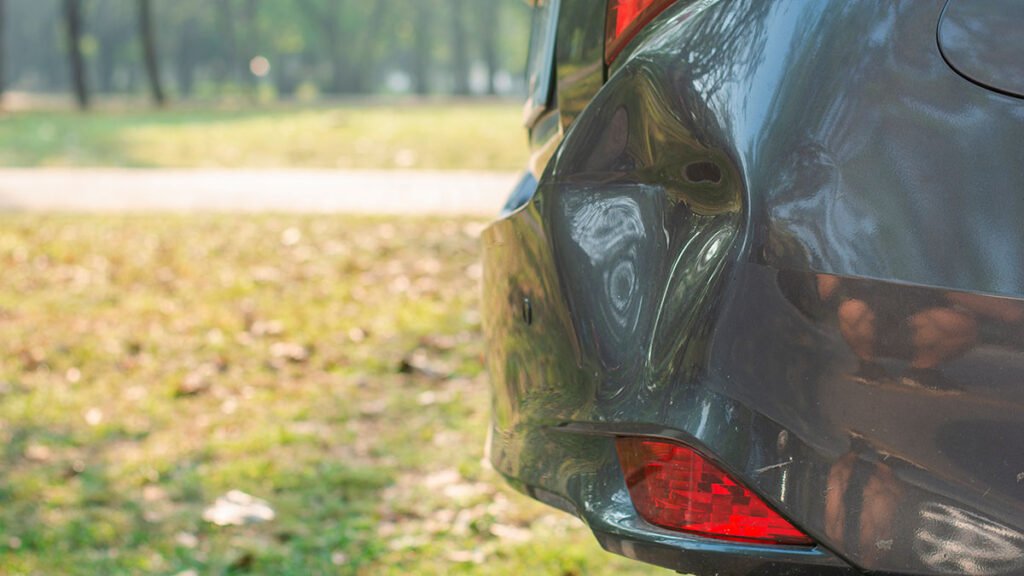
Dent formation occurs through several mechanisms that affect your car daily. Temperature changes can make metal expand and contract. Hailstones can hit your car in many places during storms. And, falling branches or debris can hit your car when it’s parked.
Preventing auto body damage is key to keeping your car in good shape. Small dents might seem minor, but they can harm your car’s paint over time.
Moisture can get into your car through dents, leading to rust. When paint cracks around dent edges, water and salt can reach the metal. This creates the perfect environment for rust to start.
Driving your car every day puts it at risk of getting dented. Parking near construction sites or on highways can expose your car to debris. Even your own driveway can be dangerous, with bicycles, lawn mowers, and toys posing a threat.
Knowing the common causes helps you protect your car better. By being aware of these risks, you can make smarter parking choices. This knowledge is the first step in preventing auto body damage and keeping your car in top condition.
1. Parking Lot Incidents
Every time you park in a crowded lot, your car faces many dangers. Parking lots are the most dangerous places for your car’s exterior, causing nearly 70% of all vehicle dents. Tight spaces, distracted drivers, and loose objects all contribute to the risk of damage.
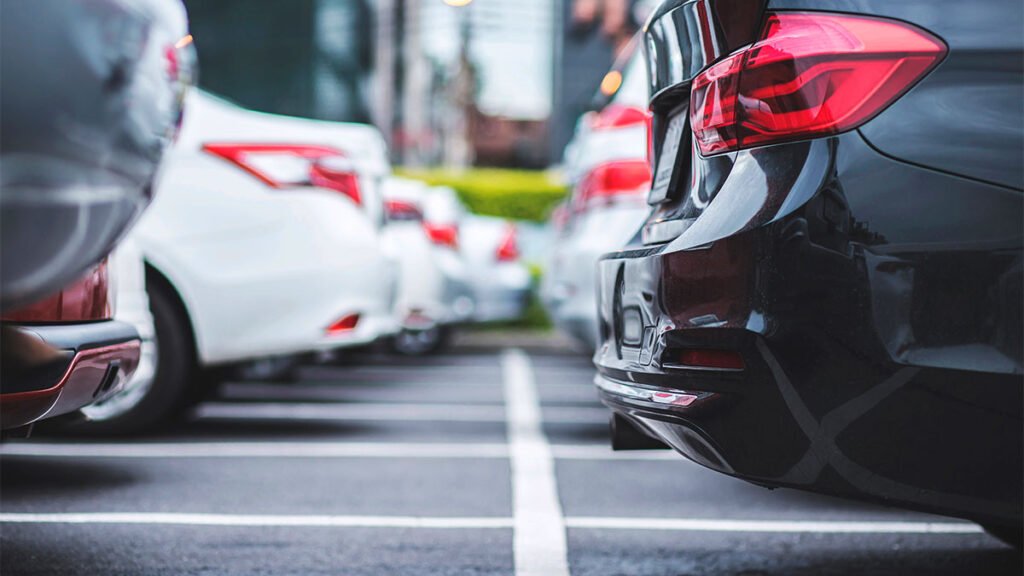
Door dings from parking lots happen when drivers swing their doors open carelessly. These incidents are common in crowded shopping centers where people rush between stores. The narrow spacing between vehicles means one careless moment can cause lasting damage.
Shopping carts are another big threat to your vehicle. Shopping cart dents occur when loose carts roll freely, especially on windy days or sloped surfaces. These metal carts can cause significant damage when they hit your car’s panels or doors.
Rushed shoppers and distracted drivers add to the hazards. People loading groceries often ignore their surroundings. This lack of awareness leads to accidental contact between vehicles, bags, or other objects and your car’s surface.
Prevention starts with smart parking choices. Park in the center of your space to stay away from other cars. This simple step greatly reduces the risk of door-to-door contact.
Choose parking spots away from high-traffic areas whenever possible. Spaces near store entrances have more foot traffic and cart movement, increasing your exposure to potential damage. Look for spots on the outer edges of parking lots where fewer vehicles congregate.
Avoid parking near cart return areas or on slopes where shopping carts might roll. Wind can easily move lightweight carts across flat surfaces, so consider weather conditions when selecting your spot. Taking these precautions helps protect your investment and keeps your car looking its best.
2. Hailstorms and Severe Weather
Mother Nature can quickly turn your car into a dented mess. Hailstorms are among the most damaging weather events for car owners in the U.S. Even small hailstones can cause many dents, leading to expensive repairs.
Hail forms when strong updrafts in thunderstorms carry raindrops into freezing air. These ice pellets grow as they bounce in the storm clouds. When they fall, they hit your car hard. Small stones can still damage hoods, roofs, and trunk lids.
Weather threats go beyond hailstorms. Falling tree branches during windstorms can also cause damage. Strong winds can carry debris like rocks and construction materials. Heavy snow loads can damage your car’s roof and body panels.
Some seasons are riskier for weather damage. Spring and early summer have severe thunderstorms with large hail. Fall brings windstorms that can knock down trees. Winter storms can cause ice buildup that damages your car’s exterior.
Smart parking choices are key to protection. Always park in covered areas like garages or carports. If you must park outside, avoid areas under trees or near construction sites.
Invest in a good car cover to protect against hail and debris. These covers can absorb impact energy, protecting your car’s surface.
Keep up with weather forecasts through apps and local news. When severe weather hits, move your car to safety quickly. Preventing damage is cheaper than fixing hail damage after the storm.
3. Sports and Recreational Damage
Car damage from sports is more common than people think. Kids playing sports near cars can be a risk. A fast-moving ball can cause big dents that need expert fixing.
Summer is the riskiest time for car damage. Kids on bikes, skateboards, or playing hockey can lose control. These accidents can cause a lot of damage to your car’s body.
Driveways can be tricky, especially when neighbors play golf or throw footballs. Your car might get hit by sports gear. Even adults can accidentally hit cars with their sports equipment.
Parking smart can help avoid damage. Park away from playgrounds and sports areas. Look for spots with fences or buildings to block the view.
Talking to kids in the neighborhood is key. Teach them to be careful around cars. Most kids listen when adults explain the damage costs.
There are ways to protect your car. Car covers can help against minor impacts. Installing lights or cameras can also stop careless behavior near your car.
Change your parking spot with the seasons. Move your car to safer places during busy play times. This can help avoid expensive repairs from accidents.
4. Tight Urban Parking Spaces
Navigating tight city parking spaces can lead to dents and scratches. Urban areas have cramped spots where small mistakes can cause big damage. The mix of narrow spaces, limited visibility, and time pressure makes parking a common cause of vehicle damage.
Parallel parking is especially tough for most drivers. You have to judge distances between cars while reversing. One wrong move can scrape your bumper against another car or clip a side mirror. The pressure of not holding up traffic often leads to rushed and costly decisions.
Parking garages add more challenges with their low ceilings and tight corners. Concrete pillars can pop up unexpectedly, and the sound of your engine makes it hard to hear other cars. These structures were built when cars were smaller, making today’s vehicles seem too big.
Modern tech helps a lot in these tough situations. Backup cameras give you a clear view of what’s behind your car. Parking sensors warn you with beeps as you get close to objects. Some cars even have systems that can park for you.
But, tech can’t replace basic parking skills. Take your time in tight spots, even if others seem in a hurry. Practice parallel parking in empty lots to get better and more confident. Always check your mirrors and blind spots before moving.
The secret to avoiding costly repairs is patience and preparation. Look over the parking space before trying to get in. If it looks too tight, look for another spot. A few extra minutes of walking can save you from expensive repairs.
5. Falling Objects
Falling objects are a big threat to your car’s outside. They can happen on busy roads or quiet streets.
Construction sites are especially dangerous for cars. Things like nails and tools can fall from buildings. This is because of loose materials and tools on scaffolding.
Trucks with loose cargo are also a big risk. Gravel and lumber can fall off during transport. Keeping a safe distance from trucks helps avoid this.
Natural debris is a threat all year. Tree branches fall during storms. Rocks can roll down hills or fall from overpasses.
Even small things can cause big damage when they fall. A small bolt from a crane can dent your car deeply. This damage often needs a pro to fix.
Parking smart can help avoid damage. Don’t park under construction, trees, or overpasses. Use covered parking when you can.
Planning your route can also help. Try to go around construction zones. Check traffic reports for info on overhead work.
Having good insurance is key for these risks. Damage from falling objects can be costly to fix. Make sure your policy covers these risks well.
Be careful driving near construction or areas with overhead hazards. Slow down and keep a safe distance. This can help avoid accidents.
Understanding the Most Common Causes of Car Dents
Knowing what causes car dents helps you avoid them. The causes of car dents vary with seasons, locations, and daily habits. By understanding these patterns, you can protect your vehicle from damage.
Parking lot incidents cause nearly 40% of all dents. Weather damage, especially from hailstorms, is also common. Sports and falling objects each account for about 15% of dents.
Environmental factors greatly affect your risk. Urban areas face different challenges than suburbs. Tight parking spaces and tree-lined streets increase the risk of damage.
Seasons bring unique risks. Spring and summer have severe weather and hail. Fall brings falling debris from trees and construction.
Winter is hazardous due to ice and snow removal equipment. Each season requires specific protection to avoid damage.
Cumulative damage effects can surprise car owners. Many small dents can harm your car’s value more than one big dent. Untreated dents can lead to paint chipping and rust.
Your driving and parking habits affect dent risk. Frequent mall visits and parking under trees increase risks. Street parking is riskier than garage storage.
Quick repairs are key when damage happens. Even small dents can lead to big problems. Paint peeling and rust formation start at dent edges, where the coating is damaged.
Temperature changes cause metal to expand and contract. This can lead to paint failure and moisture penetration. What seems minor can become costly bodywork soon.
Getting a professional assessment is important. Some dents need immediate repair to avoid further damage. Others can wait without causing more harm. Knowing the difference saves money and keeps your car’s value up.
Professional Help When Dents Happen
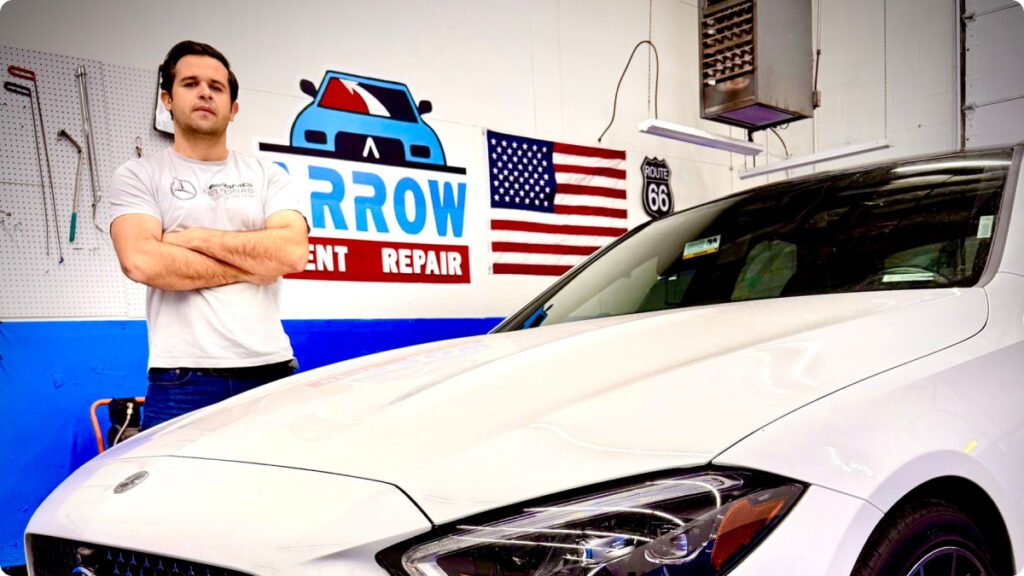
Even the most careful drivers sometimes face dent damage that requires expert attention. When prevention efforts fall short, professional repair services ensure your vehicle returns to its original condition. Choosing the right repair method depends on the type and severity of damage your car has sustained.
Professional car dent repair maintains your vehicle’s value and appearance. Experienced technicians assess damage accurately and recommend the most cost-effective solution. This approach saves you money while ensuring quality results that last.
Paintless Dent Removal (PDR) works best for minor dents that haven’t damaged your car’s paint. This revolutionary technique restores your vehicle’s appearance without affecting the original paint finish. PDR offers both cost-effectiveness and time efficiency compared to traditional bodywork methods.
For the best paintless dent removal hopkinton ma services, Arrow Dent Repair provides skilled technicians who deliver top-notch results. Located at 85 Hayden Rowe St, Hopkinton, MA 01748, they specialize in preserving your car’s factory finish. You can reach them at +1 774 414 7778 for expert consultation.
Conclusion
Your car faces many dangers every day. These include parking mishaps, bad weather, sports activities, tight city spaces, and falling objects. Knowing these risks helps you protect your car’s look and value.
Smart parking is key. Always pick end spots and park away from busy areas. Use covered spots during storms. Keep sports gear safe to avoid damage. These steps can prevent dents before they occur.
Act fast if your car gets damaged. Small dents can turn into big problems if ignored. Moisture can harm scratched paint, and metal can rust. What starts small can cost a lot to fix.
Professional repairs can fix your car like new. Paintless dent repair keeps the original finish. Skilled technicians handle tough damage safely. Good repairs also keep your car’s value up.
Preventive steps protect your investment and make driving fun. Being aware and proactive greatly lowers the risk of damage.
Contact Arrow Dent Repair today at +1 774 414 7778 for a free consultation. They offer immediate repair services or advice on protecting your vehicle. Their experts ensure your car stays in top shape.