
What if everything you know about protecting your ride’s exterior is missing a critical piece? While most drivers focus on avoiding collisions, minor scrapes and dings often come from unexpected sources—shopping carts, hailstorms, or even your neighbor’s careless door swing.
Your vehicle’s appearance directly affects its resale value. A single dent can lower offers by hundreds of dollars. Yet many owners overlook simple, proactive measures that create multiple layers of defense against daily hazards.
Smart parking habits form the first line of protection. Choosing spots wisely reduces exposure to high-traffic areas where scratches thrive. Pair this with physical barriers like bumper guards and weather-resistant covers, and you’ve built a shield against both human error and nature’s surprises.
This guide reveals how combining strategic parking with practical tools preserves your investment. You’ll discover actionable methods to maintain that showroom shine—without complex routines or expensive gadgets.
Why Car Dents Matter
That small crease near your driver’s side handle isn’t just an eyesore. Surface imperfections trigger chain reactions—rust spreads under paint, while repair bills drain wallets. Auto industry reports show 68% of door-related damage happens in parking lots, with average fixes costing $350-$600 per incident.
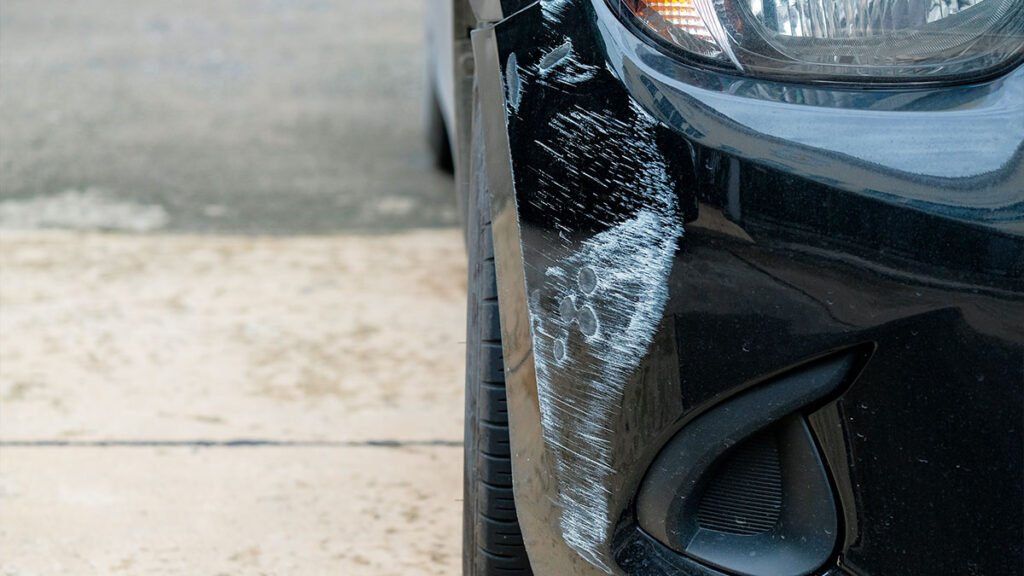
Your ride’s exterior acts as a mobile business card. Chipped paint or misaligned panels signal neglect, whether you’re meeting clients or dropping kids at soccer practice. Luxury models suffer harder hits—their multi-layer finishes require specialized tools that triple restoration expenses.
Most collisions occur when vehicles sit idle. Shopping carts roll into quarter panels during windy days. Neighbors fling doors open without checking clearance. Even automated car washes sometimes leave marks on modern vehicles’ thinner metal frames.
Smart owners track patterns: crowded urban areas see higher numbers of scrapes, while SUVs face increased door swing risks. Understanding these details helps create effective protection plans rather than costly fixes.
Understanding Car Dent Risks
Did you know most vehicle body damage happens when you’re not even driving? Tight parking spaces at shopping centers create prime conditions for car door dents, with 73% of these incidents occurring in crowded lots. Delivery zones and loading docks bring separate hazards—hand trucks and cargo equipment often graze nearby vehicles during hectic unloading.
Weather plays a bigger role than many realize. Hailstorms leave golf ball-sized dents across hoods and roofs, while wind-blown debris scratches paint during autumn storms. Construction zones double the danger—flying gravel chips surfaces, and loose materials batter fenders at highway speeds.
Even routine services pose threats. Valet attendants may misjudge clearance in tight garages, and automated wash brushes can leave scratches on modern finishes. Pets jumping near parked vehicles or kids playing with bikes often cause unexpected dings on doors and quarter panels.
Urban drivers face unique challenges. Narrow streets in commercial districts force tight parking, increasing contact risks. Recognizing these patterns helps owners avoid high-risk areas and prioritize protective measures for vulnerable body sections like doors and bumpers.
Smart Parking Techniques for Maximum Protection
Strategic parking acts as an invisible shield against everyday hazards. Corner spaces cut collision risks by 50% compared to middle spots since they eliminate one side of potential door contact. This simple choice creates breathing room in crowded lots.
High-traffic zones near store entrances attract carts and hurried drivers. Walk an extra 30 seconds to park farther out—your doors will thank you. Covered garages offer triple benefits: shelter from weather, falling branches, and unsupervised pedestrians.
Vehicle neighbors matter. Compact autos and luxury models often belong to detail-oriented owners who mind their car door swings. Conversely, delivery trucks and work vans prioritize speed over caution—their wide-opening panels spell trouble.
Modern tools simplify space selection. Parking apps highlight low-traffic areas and reserved spots in real time. Backup cameras help navigate tight spaces without curb scrapes. Combine tech with common sense for a dent-free exterior.
Essential Physical Barriers & Protective Equipment
Your vehicle’s exterior faces constant threats even when parked safely. Door edge protectors form the first defense line, cushioning impacts from neighboring vehicles in tight spaces. These rubber or silicone strips blend with factory paint while shielding vulnerable edges from chips and dings.
Bumper guards absorb parking lot nudges that crack sensors or warp trim. Modern versions use impact-resistant polymers that match your vehicle’s contours. Pair them with magnetic door protectors for crowded areas—these removable shields block swings from adjacent doors without permanent installation.
Clear paint protection films create invisible armor against road debris. Unlike waxes, these nano-coatings resist scratches from keys, shopping carts, and airborne gravel. Ceramic options add UV protection, preserving factory finishes longer between washes.
Professional installers ensure perfect alignment for door guards and films. Their heat-activated adhesives withstand extreme temperatures, unlike DIY kits that peel over time. For seasonal needs, custom-fit covers shield against hail and falling branches without trapping moisture.
Choose equipment that balances durability with aesthetics. Low-profile designs maintain sleek profiles while guarding high-risk zones like wheel arches and door handles. Regular inspections catch worn strips or loose fittings before they fail during critical impacts.
Safe Driving Habits to Minimize Damage
Your driving habits are the first line of defense against costly repairs. Maintaining a three-second gap between your vehicle and others gives critical reaction time. This space helps avoid flying debris and sudden stops that harm bumpers or windshields.
Scan roads ahead for potholes, construction zones, and loose gravel. Slowing down on rough surfaces reduces impact force from hazards. Gravel roads require extra caution—rocks kicked up at high speeds can leave visible marks on paint.
Smooth acceleration and braking protect your suspension and body panels. Jerky movements increase collision risks with curbs or obstacles. Gentle steering adjustments also prevent swiping barriers in tight spaces.
Avoid aggressive lane changes in heavy traffic. Quick maneuvers raise the chance of side-swipes that damage doors. Use mirrors frequently and check blind spots before merging—this safety practice spots cyclists or motorcycles early.
Regularly inspect your surroundings while moving. Watch for low-hanging branches in parking areas and debris on highways. These proactive habits preserve your ride’s appearance and resale value over time.
Weather-Related Safeguards to Prevent Damage
Weather threats don’t always announce themselves—silent hailstorms or UV rays can degrade your vehicle’s exterior faster than daily commutes. Parking in a garage offers full protection from falling branches and ice pellets that leave dimples on metal surfaces. Covered spaces also block sun exposure that fades paint over time.
When sheltered parking isn’t available, invest in a multi-layer cover. Quality materials repel rainwater while cushioning against debris scratches. Look for options with soft inner liners to preserve your vehicle’s surface during windy conditions.
Monitor weather apps to anticipate storms. Relocating your ride to a garage or shopping center parking structure before hail hits avoids costly repairs. Temporary carports work well for driveways, creating overhead shields against heavy rain.
Regular waxing adds invisible armor. Ceramic coatings make cleaning easier while blocking acid rain from etching the paint. These layers help maintain resale value by reducing environmental damage between professional detailing sessions.
Smart owners use layered strategies—combining physical shelters with proactive maintenance. This approach minimizes weather-related wear without constant vigilance.
Regular Maintenance & Preventive Care Methods
Consistent upkeep stops minor issues from becoming major headaches. Weekly inspections catch early signs of dents and scratches before they worsen. Run your hand along door edges and bumpers to feel for imperfections invisible from afar.
Apply clear paint protection film to high-risk zones like hoods and mirrors. These self-healing layers absorb impacts from road debris while resisting scratches. Professional-grade ceramic coatings add hydrophobic properties, making cleaning easier and reducing environmental damage.
Address surface flaws immediately. Touch-up pens matching factory colors seal exposed metal to prevent rust under dents. For deeper imperfections, paintless repair kits restore smooth finishes without costly shop visits.
Keep vehicles clean year-round. Road salt and bird droppings eat through protective coatings if left untreated. Use pH-neutral washes and microfiber cloths to avoid swirl marks that highlight existing scratches.
Seasonal prep matters. Install temporary door guards before holiday shopping crowds arrive. Store emergency dent removal tools in your trunk—suction devices can fix minor creases on-site. These habits maintain resale value while keeping repair costs low.